Adderall Addiction Treatment in San Diego
Adderall Addiction Treatment For Women
A lot of women who come to us for Adderall addiction treatment weren’t sure they had a problem until they tried to stop.
Maybe you’ve told yourself it’s under control, that you need it to function, that you’ll cut back when things slow down. If this sounds familiar, that internal back-and-forth is worth noticing. You don’t need a certain level of crisis to ask for help, and you don’t need to have all the answers about your use before reaching out.
Monima Wellness offers a safe space for women and identifying females to take a step back from the busyness of their day-to-day lives and begin the journey toward healing and balance. Substance use treatment is integrated into our top-rated San Diego Partial Hospitalization Program (PHP) and Intensive Outpatient Programs (IOP). At Monima Wellness, you’re never alone.

Signs That Adderall Use Has Become a Problem
Stimulant dependence doesn’t always have a clear turning point. For many women, it builds gradually. What started as a prescription, or something borrowed to get through a deadline or an exam, becomes something harder to step away from.
Some signs that your relationship with Adderall may have become a problem include:
- Difficulty sleeping
- Noticeable changes in appetite
- Anxiety that worsens over time
- Frequent crashes after taking Adderall that take longer and longer to recover from
- Feeling flat or foggy for days when you stop
- Feeling like you can’t make it through a normal day without it
- Increased heart rate
- Mood swings
- Noticing that your typical dose isn’t working the way it used to
If you’re struggling, reach out today to speak with one of our compassionate admissions specialists to learn more about our programs and what support might be most helpful for you.
Adderall Addiction Levels of Care at Monima
At Monima, substance use treatment is built around the whole person, not just the drug or alcohol. Our outpatient treatment programs, including PHP and IOP, offer structured daily support from a team that includes clinicians and therapists, psychiatric providers, and holistic practitioners, all under one roof. Because everyone on your team is in the same building and regularly communicating about your care, your treatment stays connected and nothing gets lost between providers..
The Difference Between IOP and PHP
The main difference is time and intensity. PHP provides full-day programming, while IOP offers morning sessions with a flexible weekly schedule. Both programs offer access to the same services—on-site psychiatric care, 2–3 individual sessions per week, neuropsychological testing, and weekly acupuncture—with PHP providing more intensive support for those who need it.
Intensive Outpatient Program (IOP)
Monima’s Intensive Outpatient Program (IOP) was built for women seeking part-time treatment for moderate to severe mental health, trauma, or substance use issues. IOP is designed specifically for women stepping down from a higher level of care, balancing treatment with work or school, or needing intensive support while maintaining their daily responsibilities. IOP clients attend treatment three to five days per week in the mornings, providing both structure and some flexibility with daily responsibilities.
Partial Hospitalization Program (PHP)
Our Partial Hospitalization Program (PHP) is the highest level of care available at Monima. PHP is best suited for clients with severe mental health, trauma, or substance use challenges that have begun to interfere with daily life and continue to persist despite therapy or medication. Most clients take a leave of absence from work, school, or their daily routines to fully commit themselves to the program. While in PHP, clients will be engaged in treatment five days per week from morning through afternoon.
Transitional Housing At Ohana
For women who need a stable living environment during or after treatment, Monima partners with Ohana Recovery Residences. Ohana offers women-only sober living with 24-hour staffing, meals, medication support for those who need it, and transportation to and from treatment. Ohana is located just a short drive from Monima Wellness and is designed to complement healing through our outpatient programming.
Alumni Program
At Monima Wellness Center, our alumni program fosters a supportive community for women beyond treatment, emphasizing connection, wellness, and ongoing personal growth. Through monthly wellness events, weekly virtual meetings, and access to our exclusive Monima app, alumni remain connected to a network that offers encouragement, accountability, and guidance for thriving after cocaine addiction recovery.
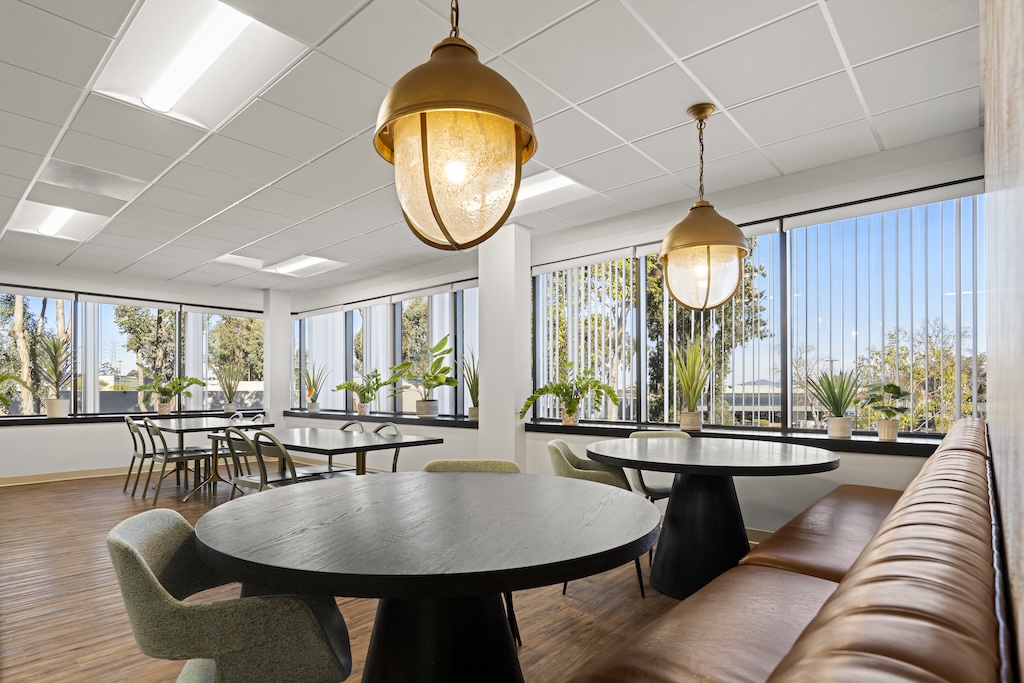
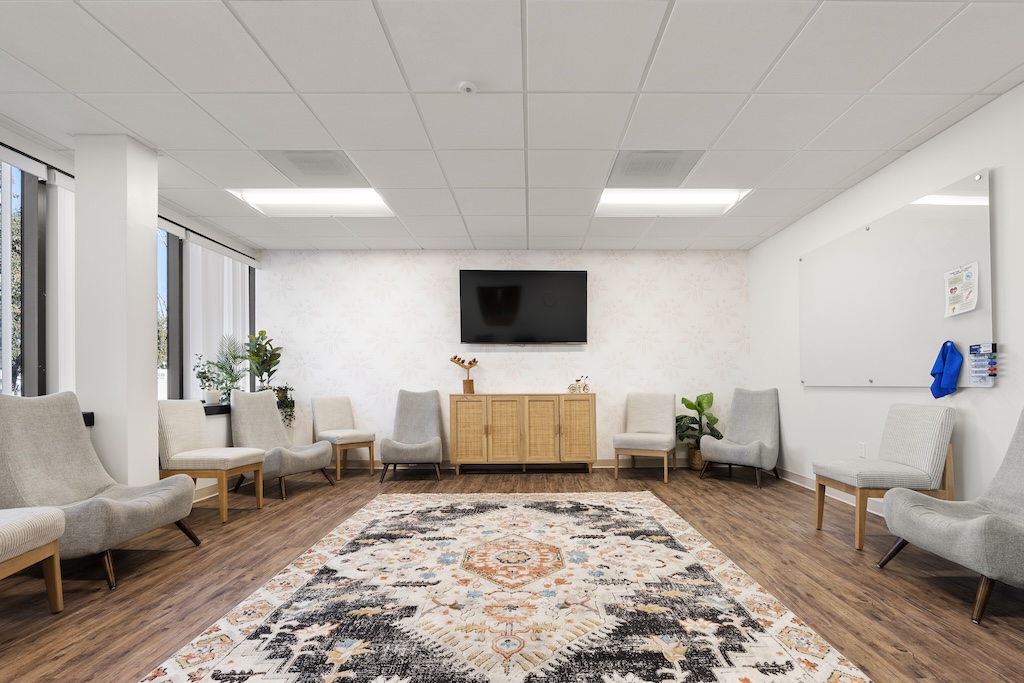
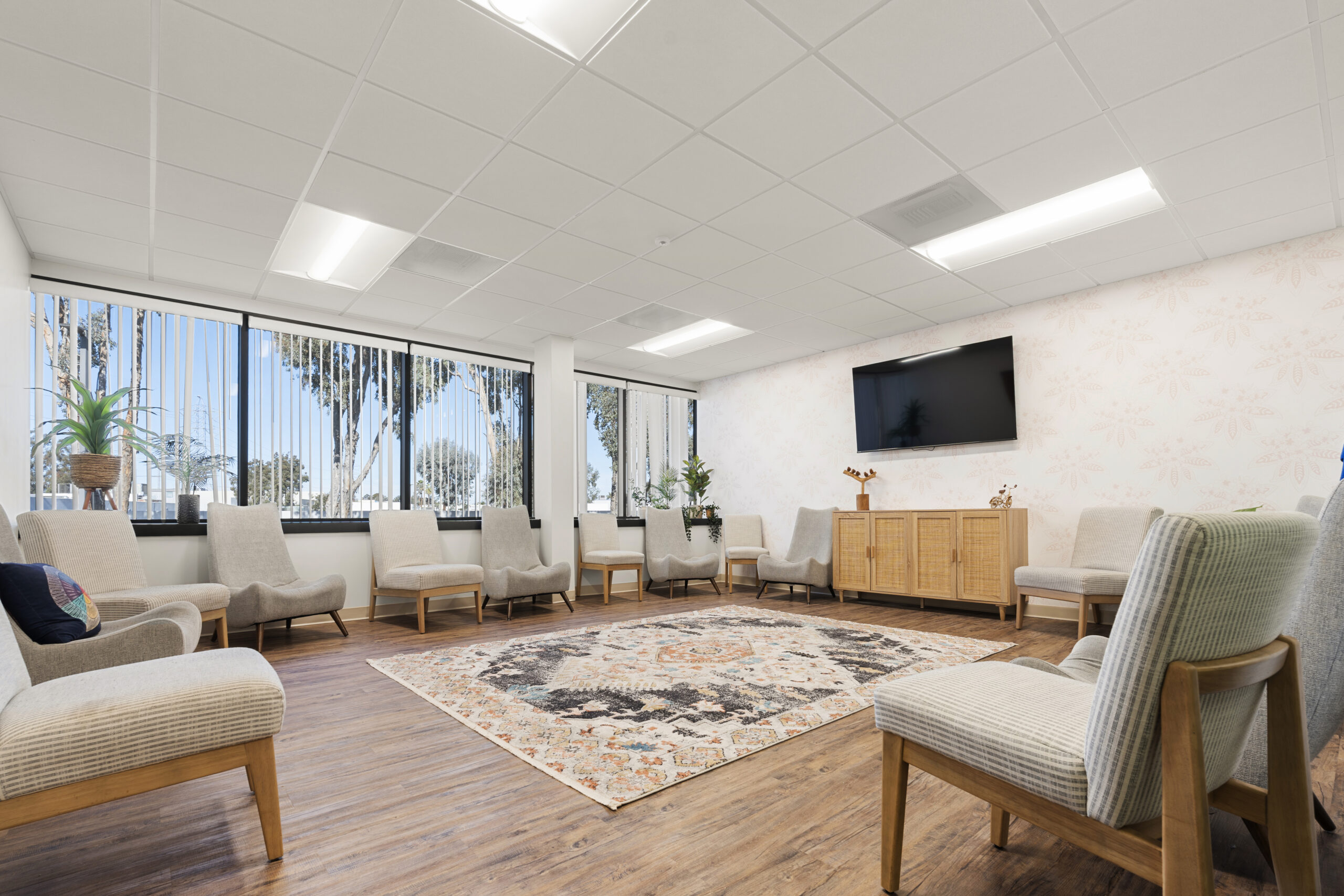
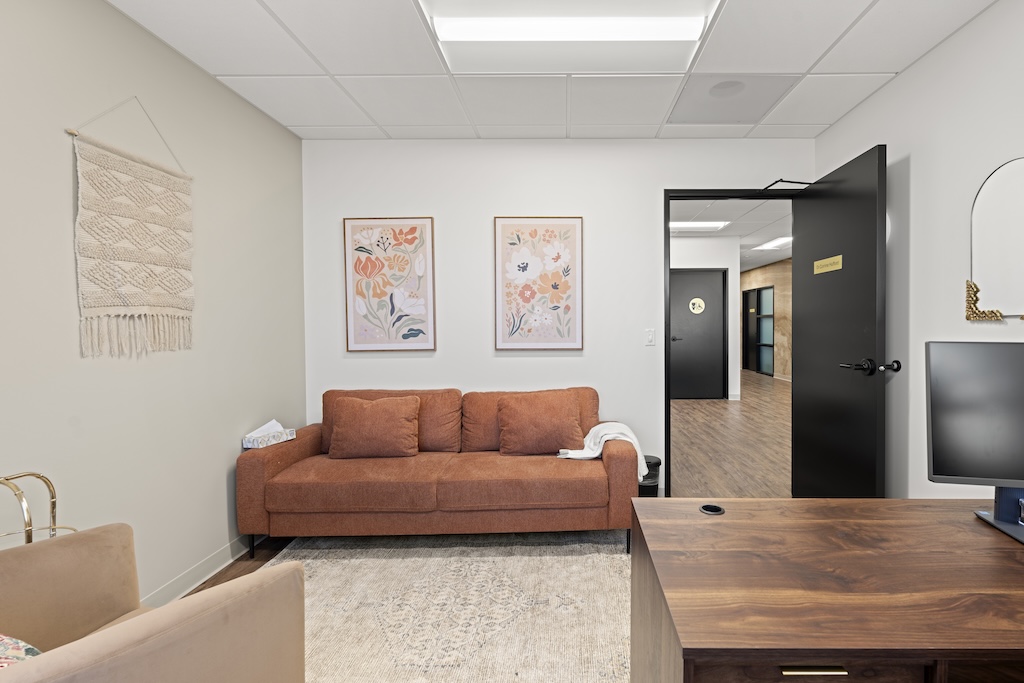
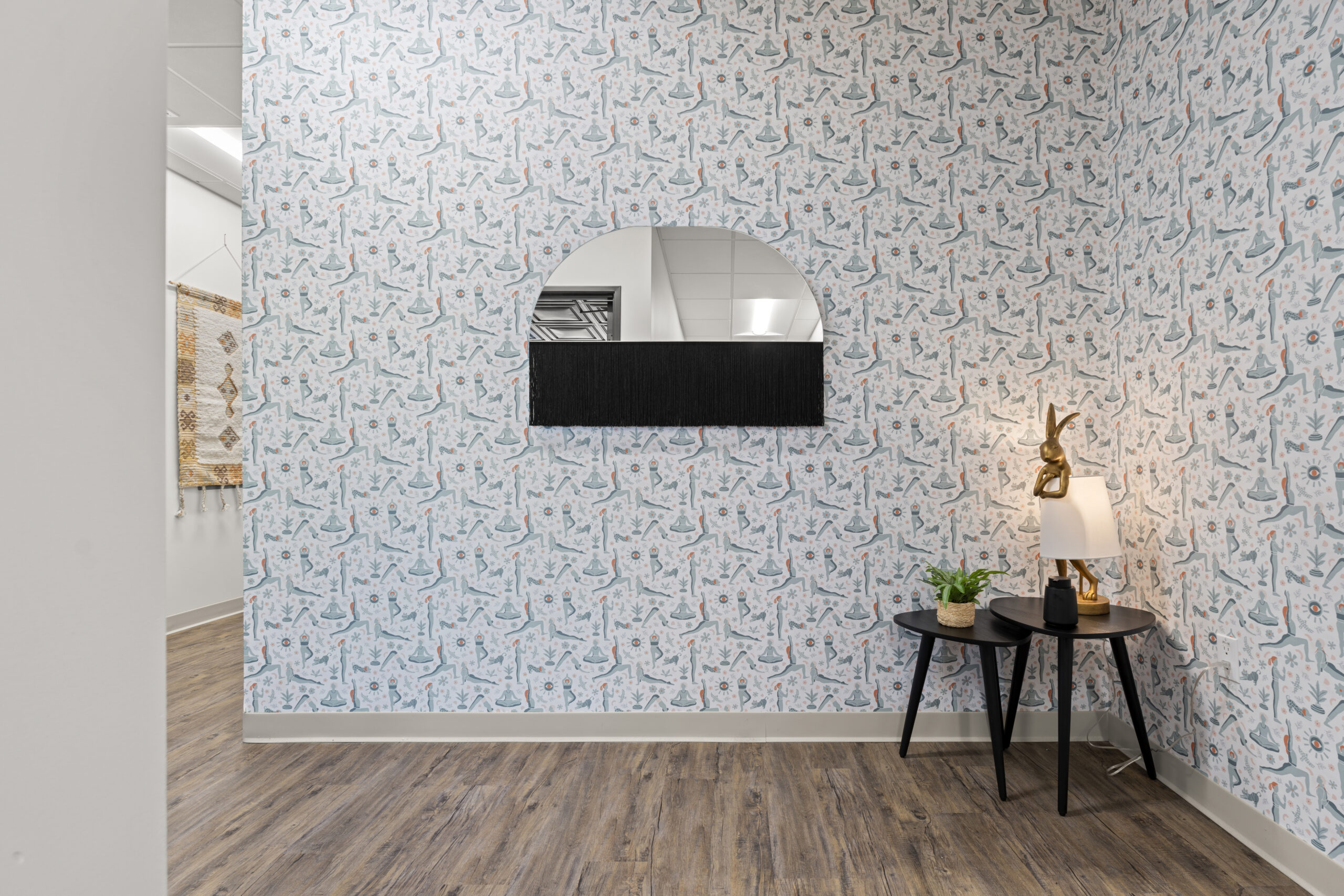
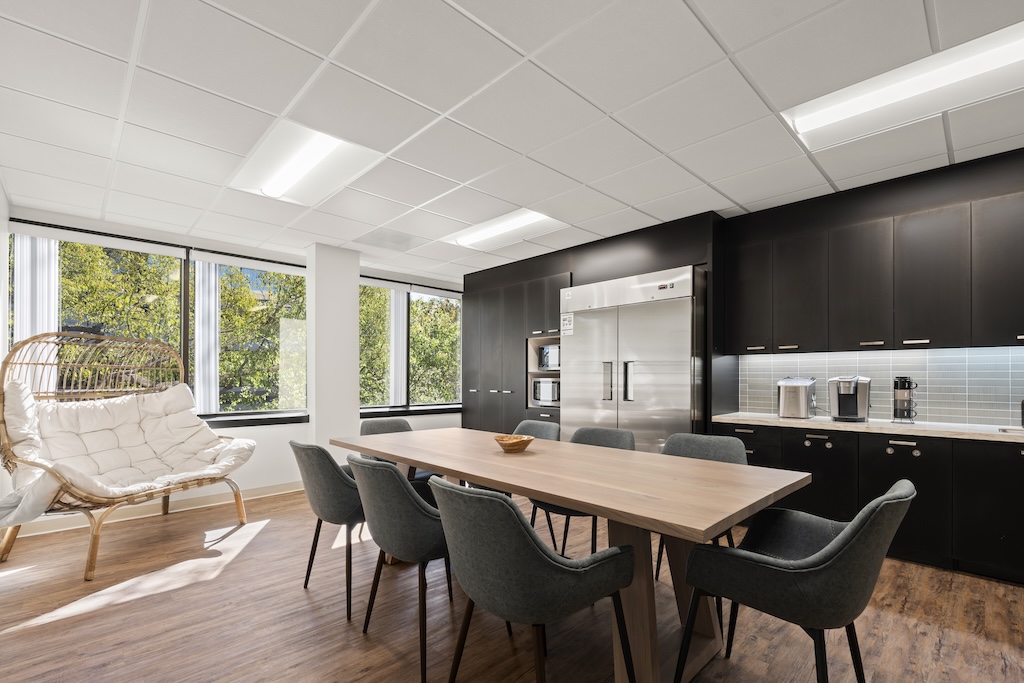
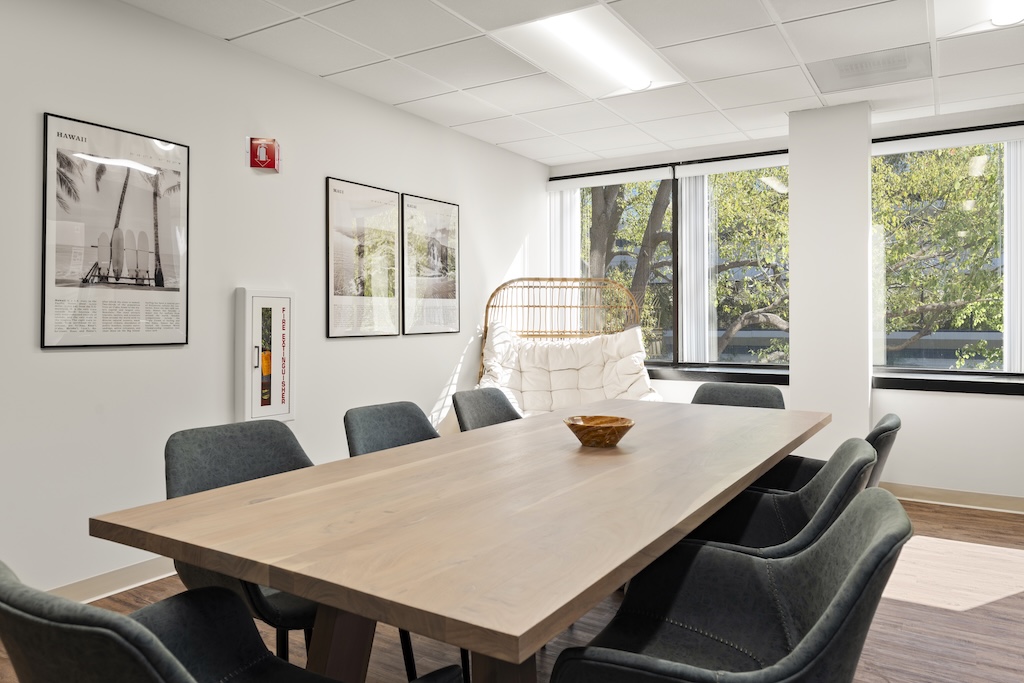
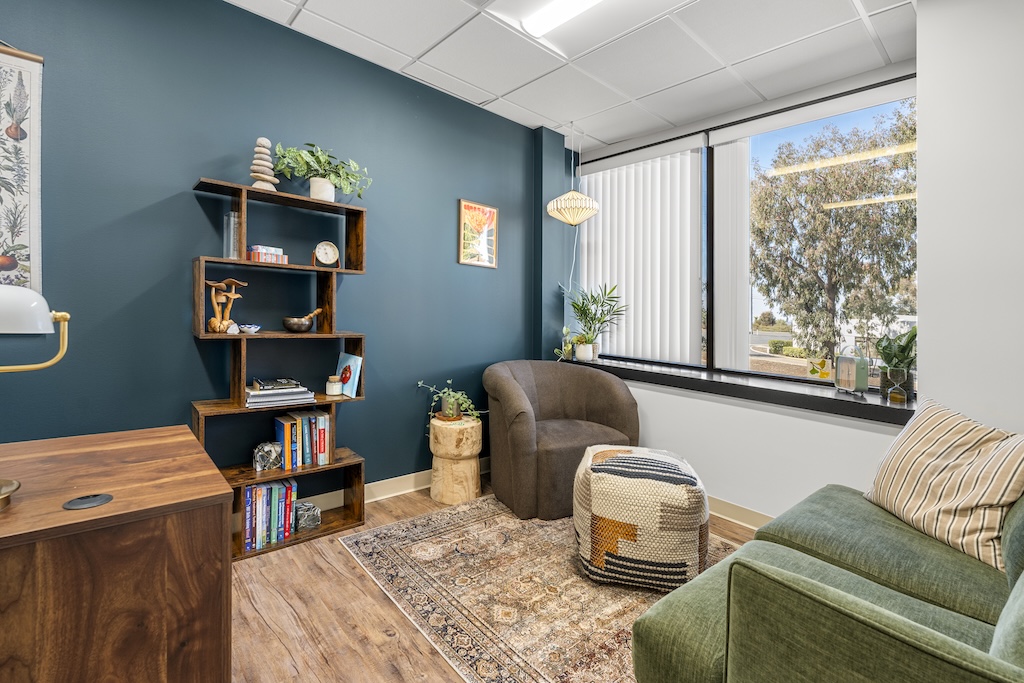
Explore Monima Wellness Center
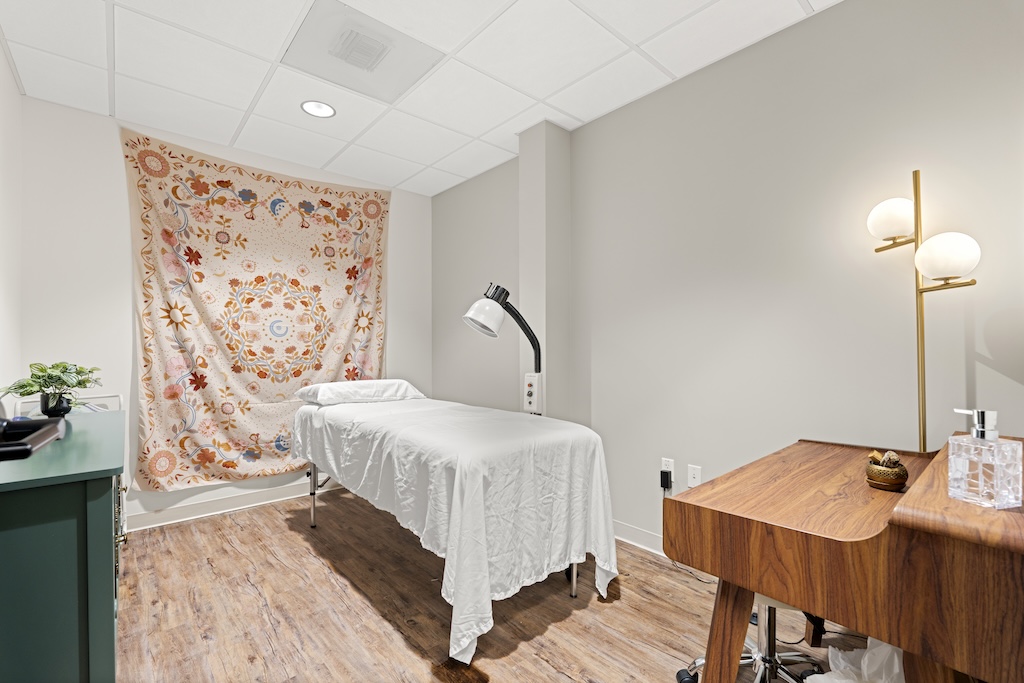
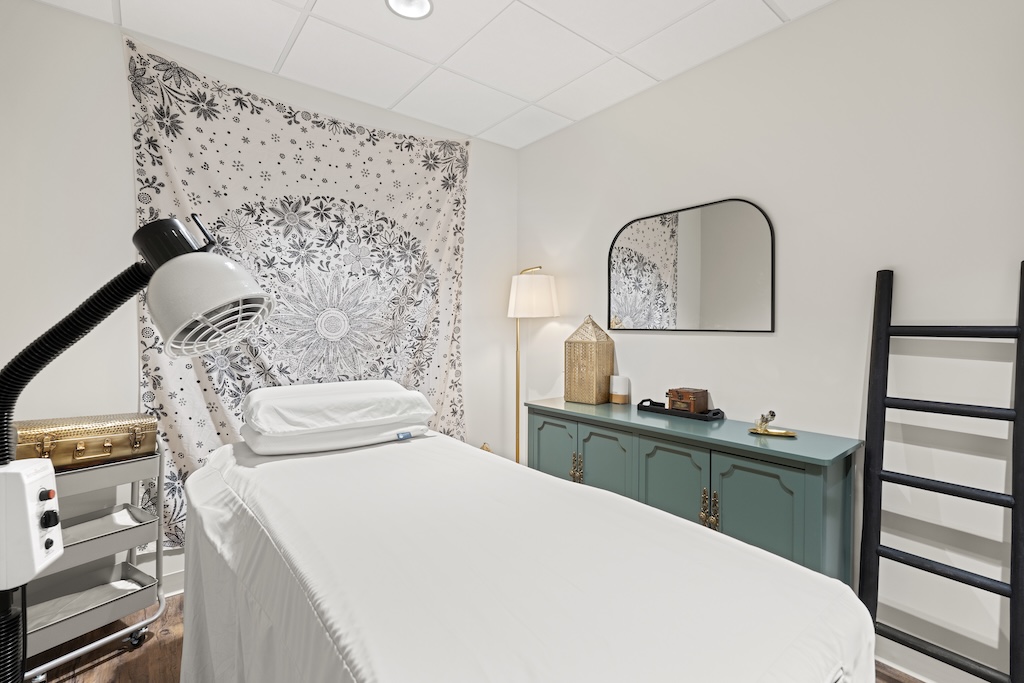
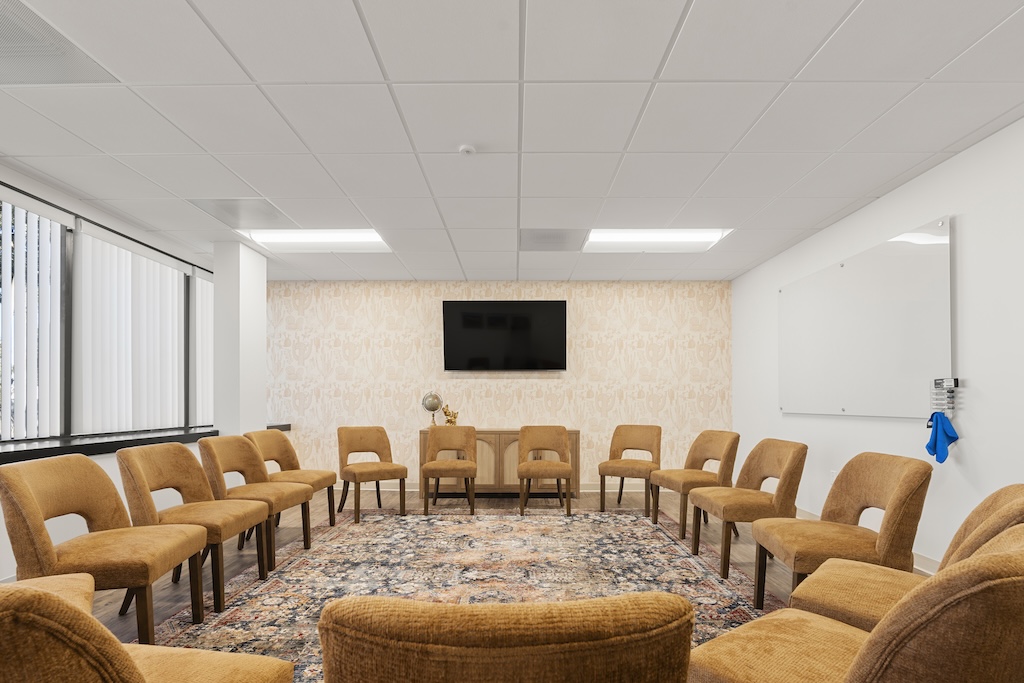
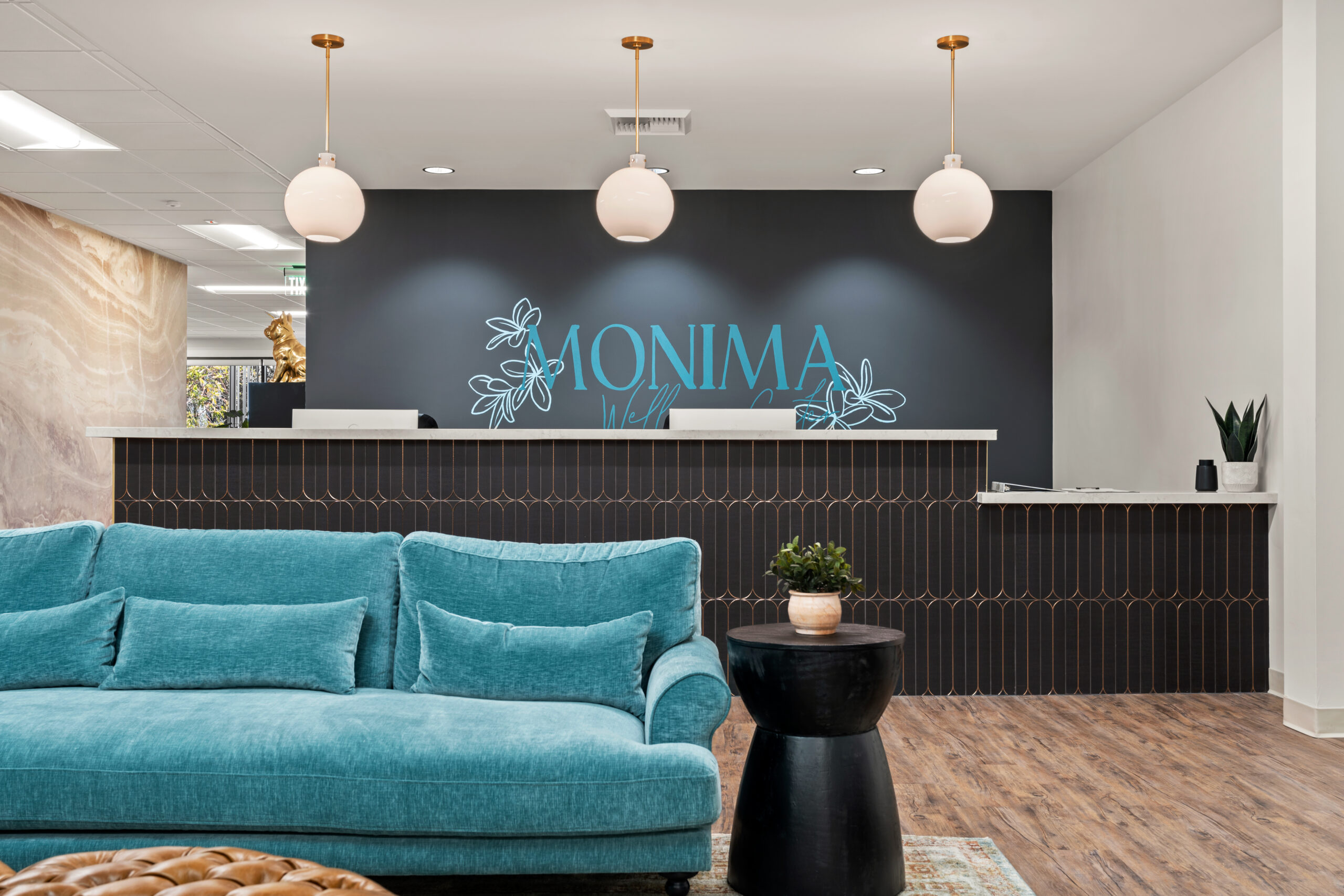
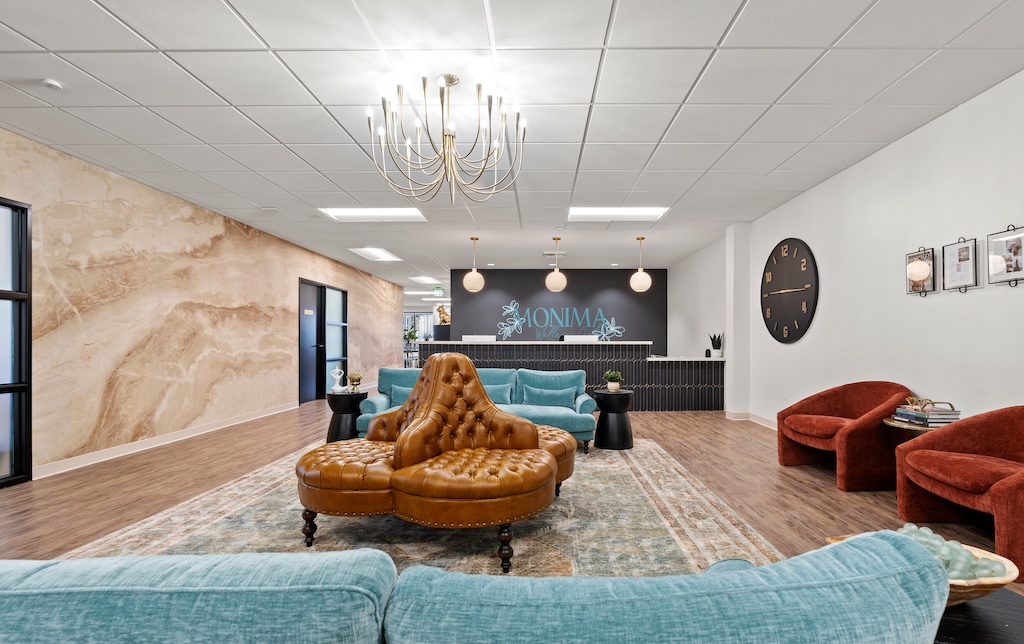
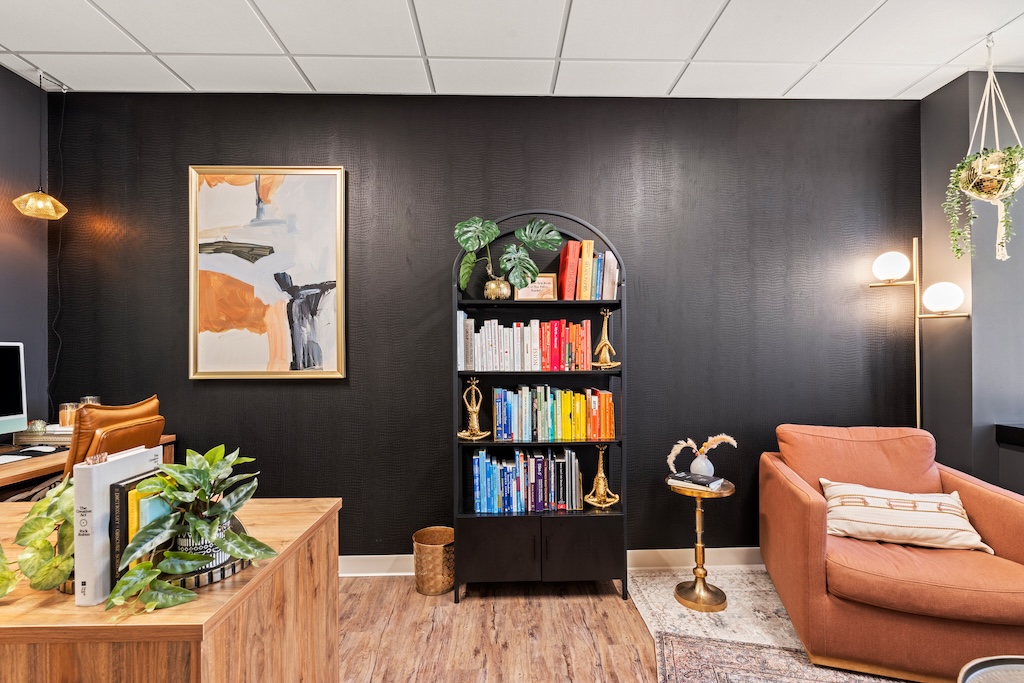
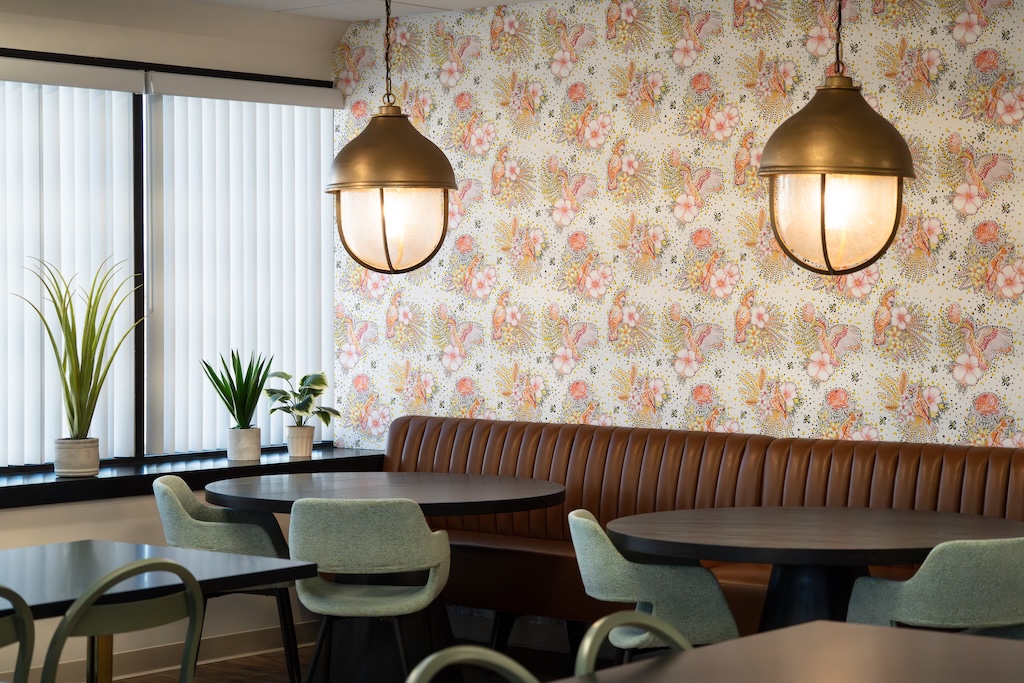
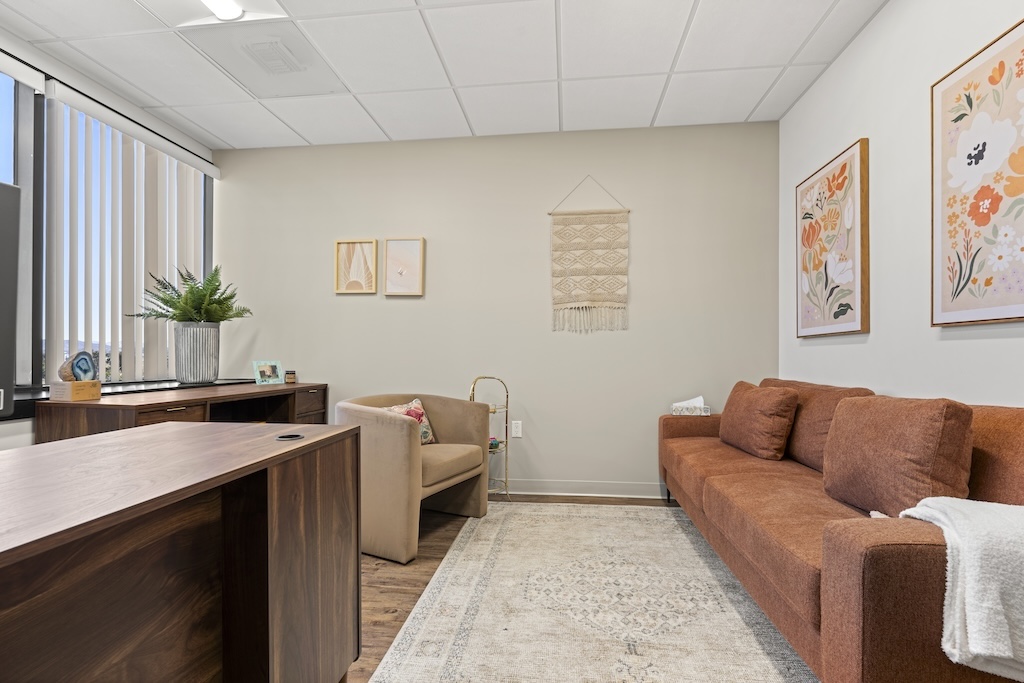
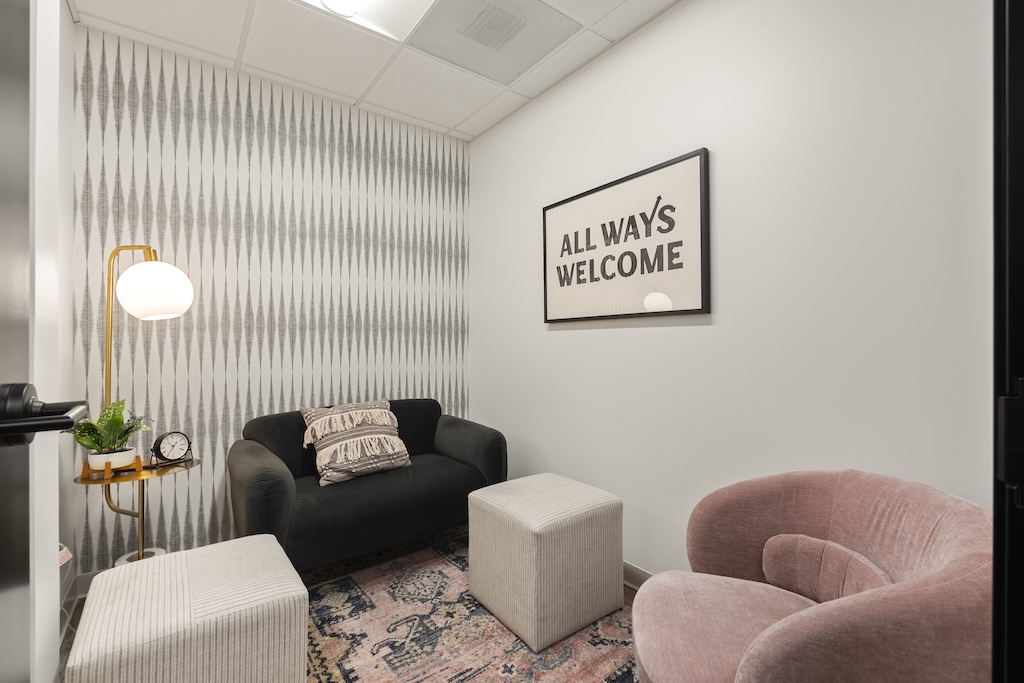
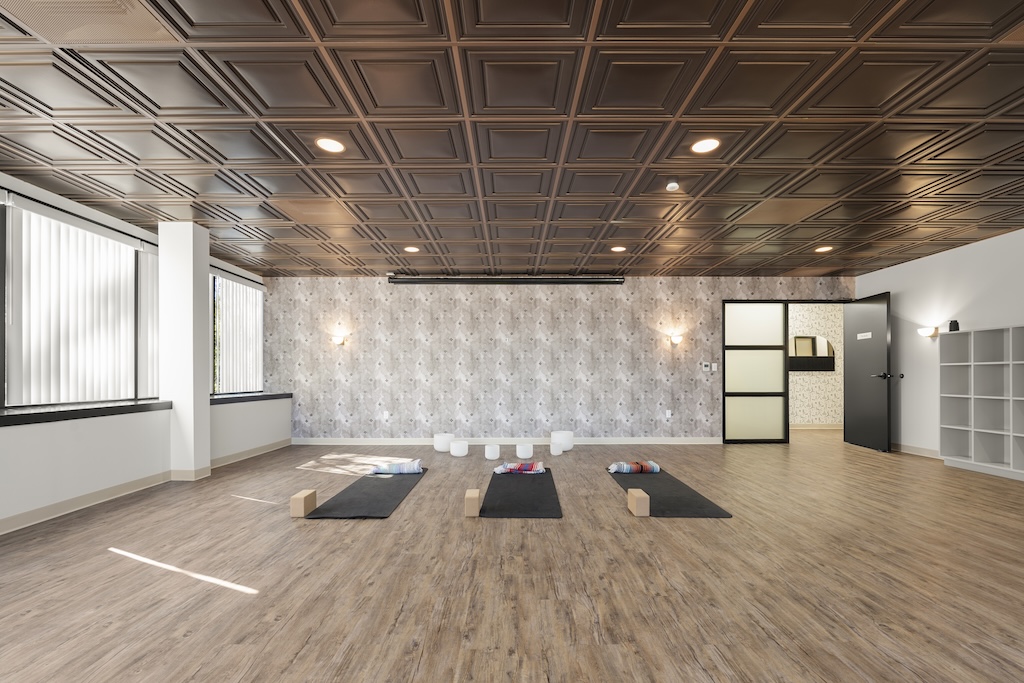
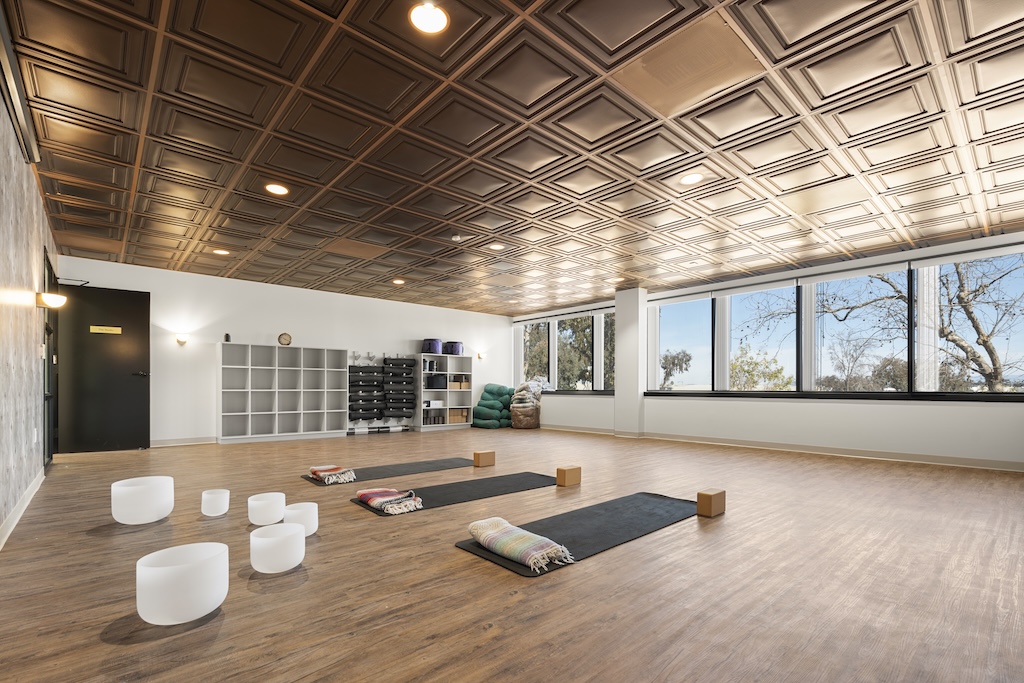
Why Choose Monima for Adderall Rehab?
Most outpatient rehabs treat and focus primarily on the substance use. At Monima Wellness, we treat the whole person—mind, body, and spirit. Here’s what that looks like in practice:
- Every client receives a comprehensive neuropsychological and mental health evaluation before treatment begins, so care is built around an accurate picture from day one
- Psychiatric support is on-site and consistent throughout your program, not a brief telehealth check-in with a rotating provider
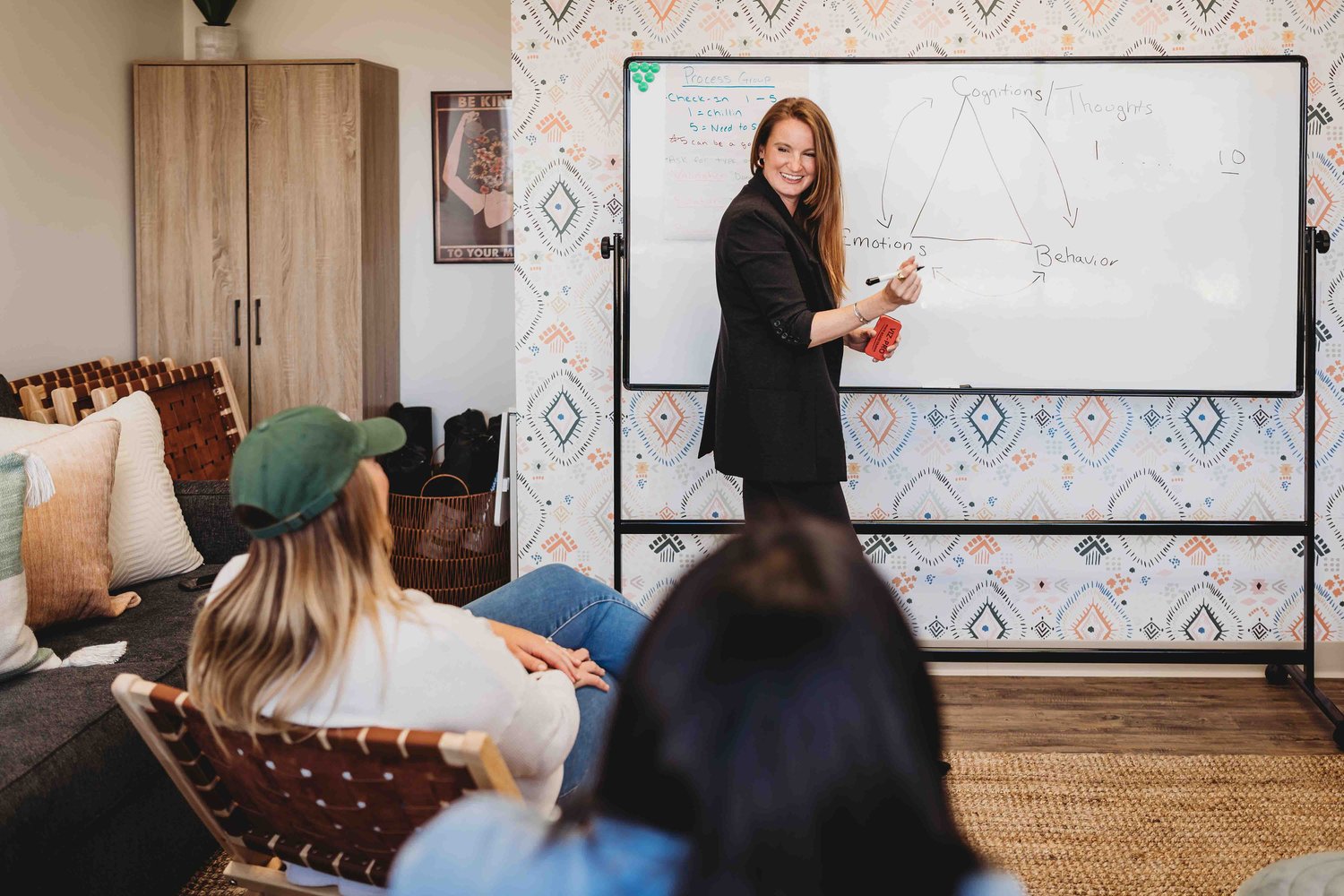
- Groups are intentionally small (10 to 12 women), which means treatment is genuinely individualized
- The clinical work addresses the underlying experiences and patterns driving the substance use, not just the substance itself
- Acupuncture and traditional Chinese medicine are woven into every client’s weekly schedule as part of a full mind-body approach
- Recovery looks different for everyone, and Monima supports clients in finding what actually works for them
Nationally Accredited Women's Treatment Center
Monima Wellness Center is licensed by the California Department of Health Care Services (DHCS), accredited by The Joint Commission, and certified as a Conscious Recovery center. These credentials reflect our commitment to the highest standards of care, integrating evidence-based clinical practices with holistic healing modalities.
Insurance & Paying for Treatment
Monima accepts most PPO insurance plans, and all clinical services—therapy, psychiatric care, neuropsychological testing, somatic modalities, and traditional Chinese medicine—are included as part of our PHP and IOP programs.
If you’re unsure about your coverage, our team can help. Reach out, and we’ll verify your insurance so you have a clear picture of your options before you take any next steps. We are unable to accept Medicare or Medi-Cal at this time.
Client Testimonials & Success Stories
I came to Monima in a really dark place, and I’m doing so much better now. The 1:1 therapy made a huge difference—my therapist pushed me in the best way and helped me grow more than I expected.
The staff are incredibly smart, supportive, and genuinely care about what you’re going through. Unlike other treatment centers, I always felt like I had access to someone who actually knew my situation, which meant a lot.
The admin team is also really on top of everything, making the whole experience smooth and easy to navigate.
I’m really grateful for Monima and everything it’s done for me.
My time at Monima was nothing short of life saving. When I started at Monima I was in a very dark place. From the second I stepped foot into the building I was welcomed with open arms. The staff was so kind, caring and compassionate, exactly what I needed in that moment. The program offers so many things to help you on your healing journey. The therapists really set the bar high, they truly meet you where you are and listen to your needs. The women that surrounded me through this journey both staff and clients were amazing and really helped make the process of being away from family so much easier. I have made lasting friendships through Monima and love the continued support through their weekly alumni meetings as well.
Going into treatment from PHP to IOP then coming out a totally different person. The amount of childhood trauma, abuse and maladaptive behaviors that I underestimated was beyond me. I was in desperate need of mental health support in which I wasn’t able to function on my own anymore. I kept having mental breakdowns with psychosomatic symptoms every 2 years like clock work. I wish every person can experience this program. It was surreal, with therapy everyday and Ohana housing for 6 months ❤️🩹 Monima gave me a chance at a new life, insight, healing and more. I was provided CBT, DBT, EMDR, group therapy for complex PTSD and panic disorder. Trust the process. It really does work if you take it seriously. Healing is the most chaotic thing you will ever have to do in your life but the other side is sooo worth it. I love myself in ways I never imagined I could…Monimas support helped me break down mental barriers. I’m very much healed to the point of being off meds for more than a couple of years now and happily married along with internal joy. I owe it to the staff for their patience and understanding. Healing dosent end after treatment but it’s allowed me to take tools on my recovery journey to a better life ❤️🩹🌸☺️
Working with Monima truly helped me in so many ways. When I came to them, I was stuck, overwhelmed, and carrying a lot of unresolved trauma that was affecting every part of my day-to-day life. Monima helped me take real, tangible steps to rebuild my foundation — not just emotionally, but practically and mentally as well.
They gave me tools that actually fit into real life. I had such a great therapist Kat who I miss dearly and I felt supported without being judged or rushed. Because of the work we did together, I know I can move forward!! The alumni events are the best as well Kelly is awesome
Monima wellness center was pivotal in my healing from the most severe trauma I have ever experienced in my life. My mental health improved immensely under the care of Dr. Sarita Shah and Dr. Corrine Hufford. If a family member or a friend required assistance with their mental health, this is the place I would send them to. You will heal here.
I can’t explain how much I love Monima Wellness and how grateful I am for what I received from treatment there. The expression you don’t know what you don’t know says a lot because with trauma, at least with me, my coping skills made me think that I had some kind of control over the nagging all pervasive feeling that I didn’t belong and would never belong…anywhere. It took months of taking apart my false identity and allow myself to trust these experts to help me find and rebuild my life. The addictions which were my solution to life were no longer working, and I was clueless about how to go forward. Thankfully Kat G, Molly, Max, and Denise, Dr. K, Lele, and the rest of the staff did know what was going on and how to help me to go forward. I will always be there biggest cheerleader and refer people there without question. Thank you Monima Wellness!
Nearly one year ago, my cousin helped me walk through your doors of Monima shaking like a leaf, unable to function, and told I needed a higher level of care. I couldn’t see it then, but God was already working. Today, I stand here healed, stronger, and grateful—living proof of my life verse from Romans 8:28
He works all things together for good for those who love Him and are called according to His purpose (Just like today 8/28/25)
These months have been life-changing. The Lord has used this time to teach me to care for myself, to validate my worth, to set boundaries, and to speak the truth in love—even when it hurts.
I am so thankful for each therapist, every session, every tear-filled breakthrough, and especially for Jessica, who walked with me through so many layers of hidden trauma. To everyone—from the front desk, Ohana & Haven house, to the back office—you are the village that helped restore my life.
To those still on the journey: don’t give up. Trust the process. Do the work, even when it feels hard. Healing isn’t liner or easy, but it is worth it—and if you don’t do it now, you’ll pay it back with interest later.
Group A, you will always have a place in my heart. Even at home, I sometimes hear your voices guiding me, reminding me I’m not alone.
Thank you for being part of my journey, my healing, and my story. I love you, I’ll miss you, and I know the Lord has beautiful plans for each of us.
With love and gratitude,
Jannie Bug, Gracie, and Wonder Woman
a.k.a. ❣️JC Keville
Monima Wellness Center saved and redirected my life. I spent 4 months at Monima this year (April–August), and while those months were hard, the support, encouragement, and care I received at Monima were pivotal in my healing journey. What stood (and still stands) out to me most was the seemingly endless patience that I was met with at every phase of my journey. My road was rough, and even at the times I was very much *not* at my best, I was still met with empathy, compassion, and a true sense that no one was giving up on me. The community I found at Monima (both during the program and as an alumni) has been fundamental to my continued success in life outside treatment. I may be on the other side of the country, but I still feel cared for, welcomed, and buoyed by the community of incredible women Monima creates. I couldn’t recommend this program enough to anyone seeking a path to true healing and wholeness!
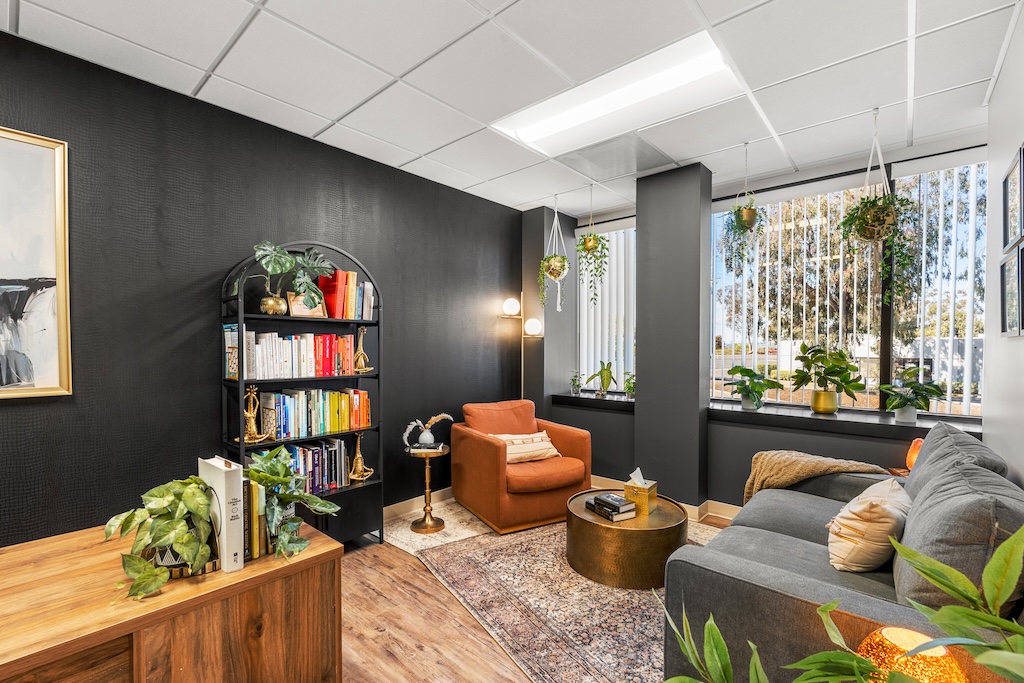
I can’t say enough good things about Monima Wellness Center. From the moment you walked in, you will feel a sense of calm and genuine care. The space itself is beautiful, clean, inviting, and thoughtfully designed to put you at ease so that you a start your journey to healing. But what really sets Monima apart is the people. Everyone is not only professional, but also kind, attentive, and truly invested in your well-being.
The treatments are top-notch, and I love that they take the time to really listen and tailor your treatment to what you need, rather than rushing you through like so many other places. If I could give more than five stars I absolutely would!
Pursuing healing through treatment at Monima has been one of the most rewarding experiences of my life and I cannot say enough positive things about this treatment center and their staff.
When I arrived at Monima I struggled to know which way was up and who or what I could trust. Ultimately, Monima helped me get in touch with myself, and then with continued support and guidance, I learned how to trust myself. And that changed everything.
Further, after more than a decade of searching for help with PMDD, I found it at Monima. They have a Reproductive Psychiatrist on staff who expertly and compassionately addressed my needs, and worked with me to update my treatment as needed throughout my time at Monima.
As a survivor of both acute and complex trauma I found the whole treatment program effective and genuinely healing. It made all the difference to work with a team who is dedicated to clients receiving the tailored care they need, in an informed, nonjudgmental, and warm environment. My experience was that the staff at Monima live what they teach. Being surrounded and guided by qualified and compassionate providers every day provided a significant part of the healing I encountered throughout my time with the program. They met me every step of the way with acceptance and warmth and that example continues to be an important part of my recovery.hat I’ve learned here for a lifetime, and for that, I am forever grateful.
Monima Wellness Center has been such a supportive and caring place for me. The therapists truly care and take the time to listen, and the house gave me a safe, welcoming place to stay when I needed it most. I’m so grateful for everything they’ve done to help me heal.
Words can not even begin to describe how wonderful it was working with Kelly Shah during an Alumni x SHIFT event. As a somatic healing Pilates studio, we’re always looking to reach out to our local communities. We were able to host a 1 hour mat class for their alumni at our studio, and we had nothing but wonderful things to say about the alumni that came in! It was an hour filled with harmony, community, and support with like minded individuals. The alumni were so grateful and made the experience so wonderful for our team involved.
You can tell how much love is put into the alumni community via Kelly. She is relentlessly cheering these individuals on and supporting them thoroughly. We’re so happy to be involved with Monima and love to see all that we can do in the future together!
First, please accept my apologies as I was not able to get Katie’s last name. Even so, I felt it was important to reach out and commend her for the exceptional support she provided me.
Finding a facility that focuses primarily on mental health has been a difficult process for me, and my prior experiences with other organizations often left me feeling discouraged. My interaction with Katie was completely different, and I believe her efforts deserve recognition.
She was incredibly thorough in providing information, making sure I had everything I needed to understand my options. What impressed me even more was the way she carried herself throughout the process—professional, patient, and genuinely empathetic. I felt she truly listened and cared, which made an overwhelming search much more manageable. It is not often that someone combines both competence and compassion so seamlessly.
In a field where people are often reaching out during vulnerable times, her approach makes a real difference. She not only represented your organization in the best possible way but also provided me with reassurance and trust at a time when I needed it most.
Please extend my gratitude to Katie. I truly believe she deserves recognition for being the rockstar that she is!!
This place goes above and beyond! This is the place if you want to heal from trauma, PTSD, mental health, and grow into the person you deserve to be. Best Women’s program EVER!
This is a great place to heal. Good luck to you on your journey.
I know reviews have influenced my decisions before, so they’re important. My experience with Monima Wellness has been nothing short of amazing, life-changing, life-saving, and so much more. I have personally either interacted or received direct services from the owners, and let me tell you: not only do they know their sh*t, but they excel at it. Whether it’s neuropsychology evaluations, diagnostic services, culturally and trauma informed therapy, tons of supports or amazing customer service support, they are the best. Trust me, I’ve met many, but never a team so invested in my support, progress, and success. And I’ve just been a regular out patient client; can’t even imagine all the added goodness in their Intensive Outpatient Program (IOP) and Partial Hospitalization Program (PHP). I see it because they’re such a tight knit community it rubs off even on me, as I walk their hallways on my way to my therapy appointments. I also had an amazing therapist, smart and hardworking, Liv. Do you identify as female? As a member of the LGBTQ+ community? How about as Neurodivergent? Complex Trauma? How about all other known mental health diagnoses? Do you feel like nobody will care / understand / be supportive? Seek them out. You’ll be positively surprised, and your life will be so much better for it. It’s NOT magic though, it’s hard work, willingness to step through the fear and the suck, and tireless focus, but with their support, YOU GOT THIS!
PS: Max, Nicole, and Molly are the BEST. Thanks for thinking of all of us ❤️
I cannot recommend Monima Wellness highly enough. The trauma treatment I received has enabled me to move forward in a healthy and happy way. The staff is kind, professional, and compassionate. Everyone, from the front desk to the therapists and psychiatrists, is truly amazing. I am incredibly grateful for their support. Deanna, RN, BSN, JD
I have been meaning to write this for a while now, but I struggled to find the right words because the truth is, there are no words powerful enough to fully express how much Monima has changed my life.
I can say, without exaggeration, that I would not be here today if I hadn’t gone through this program. Before finding Monima, I was at my absolute breaking point. I felt hopeless, like the weight of past trauma was finally going to consume me. But from the moment I walked through those doors, everything changed. I was met with warmth, kindness, and a level of care so rare and so deeply genuine that, for the first time in a long time, I felt seen. The people at Monima don’t just do this work—they live it, they believe in it, and they pour their hearts into helping people heal.
What makes Monima so unique is its integration of both Eastern and Western medicine. The program doesn’t just treat symptoms, it treats the whole person. The connection between mind and body is often overlooked in traditional healing, but at Monima, it’s at the heart of everything. Mind and body, past and future, pain and possibility—it’s all connected. And through their approach, I was able to find a strength within myself that I never knew existed.
To Grace, Shannon, Susan, Dr. K, and Anita: Your kindness, wisdom, and unwavering support saved me. I hope you all know the magnitude of the work you do, the lives you change, the hope you restore. From the deepest part of my heart, thank you.
Life isn’t always easy, and some moments feel especially heavy. But Monima, and the wonderful souls who pour their hearts into this place, helped me see a new path. They gave me the tools to heal, the strength to move forward, and the gentle reminder to be kind to myself along the way.
If you’re struggling, if you feel lost, please know that hope exists. Healing is possible. There is light beyond this moment, and Monima is proof of that. I will carry what I’ve learned here for a lifetime, and for that, I am forever grateful.
I’ve been through so much mental health treatment in my life, and nothing compared to the 3.5 months I spent at Monima. The staff were so caring, validating, supportive, and knowledgeable and the connections I made were incomparable. I learned so much about myself and about how to not only cope, but heal. I left Monima with skills to succeed, and with a new outlook on my mental health, my identity, my relationships, and who I want to be going forward. I feel like a new person. Couldn’t recommend more!
Who-we-who (Thank-You in Eastern Shoshone Language) Monima Wellness Center, for helping me open my eyes to see my true values. My dignity is everything to me. My purpose to life has an endless meaningful mark left on my heart because of this program, and the support of the Ohana sober living.
Begin Your Healing Journey
If you’re considering treatment for yourself or someone you care about, you don’t need everything figured out before reaching out. Our admissions team can answer your questions, walk you through what to expect, and verify your insurance coverage. Contact us to get started.

FAQs
Yes. Adderall and other prescription stimulants can cause both physical and psychological dependence, and structured treatment is often the most effective path when use has become difficult to manage on your own. Outpatient programs like PHP and IOP provide intensive treatment and support without requiring inpatient care.
Yes. Stimulant withdrawal doesn’t carry the same medical risks as withdrawal from alcohol or opioids, but it can still be very challenging to deal with. Common symptoms include fatigue, low mood, difficulty concentrating, increased sleep, and strong cravings for Adderall or other amphetamines. How long withdrawal lasts and how intense it feels usually varies by person and by how long and how heavily someone has been using.
No. Unlike opioids, there’s no medication that reverses the effects of Adderall or other amphetamines. If you believe you or someone else is experiencing a stimulant overdose, call 911 immediately.
In people without ADHD, Adderall creates an artificial boost of dopamine that can feel euphoric and energizing at first, especially when taken in higher doses or outside of a prescription. Over time, the brain starts relying on the medication for that feeling, and motivation or focus without it becomes more difficult to access. That’s often what drives use to escalate.
Yes, and coming to Monima doesn’t automatically mean stopping your medication. That conversation happens collaboratively with our psychiatric team, who will work with you to understand your full history and what’s actually driving your symptoms. For some women, the goal is to stop Adderall entirely. For others, it means exploring whether a different medication or approach to managing ADHD might be a better fit. Neuropsychological testing at the start of treatment helps make sure those decisions are based on an accurate picture, not guesswork.