Waiting hours for a text back. Getting a message from your boss about a “quick meeting.” Canceling plans before your friend can cancel on you. Most people move past moments like this without much thought. For others, though, these situations bring a wave of shame and panic that can last for hours or even days. This experience actually has a name.
Rejection-sensitive dysphoria (RSD) is a term for the powerful emotional and sometimes physical pain that stems from real or perceived rejection, criticism, or feeling like you haven’t met your own standards. It is not an official diagnosis in the DSM-5. A clinician working with ADHD patients first coined the term, and it has since become common in ADHD and neurodivergent communities to describe an experience that seemed real but lacked a name [3].
Quick Facts
- Rejection sensitive dysphoria describes sudden, intense emotional reaction triggered by perceived rejection or criticism.
- RSD is not an official diagnosis, but it is a widely used descriptive term, most often discussed alongside ADHD.
- Research about RSD points to both genetic and environmental contributors, which may include early experiences of rejection or trauma.
- It commonly shows up as withdrawal, masking, or perfectionism used to avoid rejection.
- Support is available when these patterns begin to affect relationships, work, or daily functioning.


Why Rejection Sensitive Dysphoria Happens
Emotional dysregulation means having trouble controlling how strong your emotions are or how long they last. This is common in people with ADHD and may affect up to 70% of adults with the condition [1]. Rejection sensitivity is now seen as one way this shows up: criticism can trigger a sudden, overwhelming reaction instead of building up slowly.
Experts still debate where this sensitivity comes from. Some say it is a biological trait linked to neurodivergence. Others believe it is shaped by our environment and relationships. Attachment theory, for example, suggests that early experiences of rejection can make people more sensitive later in life [2].
If someone grew up with unpredictable or unsafe relationships, these patterns often stem from how they first learned about connection and safety. Attachment-based therapy is meant to help with this. A recent study suggests using a model that considers both biological and environmental factors together, rather than just one or the other [2].
What It Looks Like Day to Day
For many people, RSD shows up as a quiet, ongoing habit of avoiding anything that might lead to rejection. This could mean not applying for a job, not asking questions in class, or staying silent in a relationship to avoid conflict. Sometimes, avoiding situations completely feels safer than risking being turned down.
A few patterns tend to show up again and again as it relates to RSD:
- Withdrawal: pulling back from friendships, dating, or opportunities before rejection can happen
- Masking: presenting as unbothered or “tough” to hide how deeply criticism lands
- Perfectionism: overworking to stay above reproach, so there’s nothing to criticize
- People-pleasing: prioritizing others’ approval to avoid the risk of disapproval
Over time, these habits can end up being more limiting than the rejection they were meant to avoid. They often lead to isolation, missed chances, and strained relationships [1].
How It Affects Relationships and Daily Life
Since RSD often makes people avoid situations where they might be rejected, it can slowly make their world feel smaller. In research, people described keeping only a few friends, not applying for jobs, and struggling to reach out to loved ones. Many did this because they worried that silence or a slow reply meant something was wrong [1].
This kind of withdrawal from the world around you can be impactful. The PLOS One study found that loneliness is linked to higher rates of depression in people with ADHD, and this seems to be separate from ADHD symptoms themselves [1]. Masking, or showing up as unaffected when someone is actually struggling, was described by participants as deepening that isolation even further, since it leaves others assuming they didn’t need support in the first place [1].
Support For RSD and Next Steps
There is no one treatment for rejection-sensitive dysphoria, mainly because research is still new. Some clinicians have found that certain medications, like alpha-2 agonists used for ADHD (such as guanfacine and clonidine), may help lessen the intensity of episodes [3].
When it comes to support, therapy that addresses underlying patterns, especially attachment history, self-criticism, and how the nervous system responds to perceived threats, tends to be a helpful starting point for most people.
How Monima Wellness Can Help
If rejection sensitivity or ADHD is making life feel overwhelming, remember that you do not have to handle it alone.
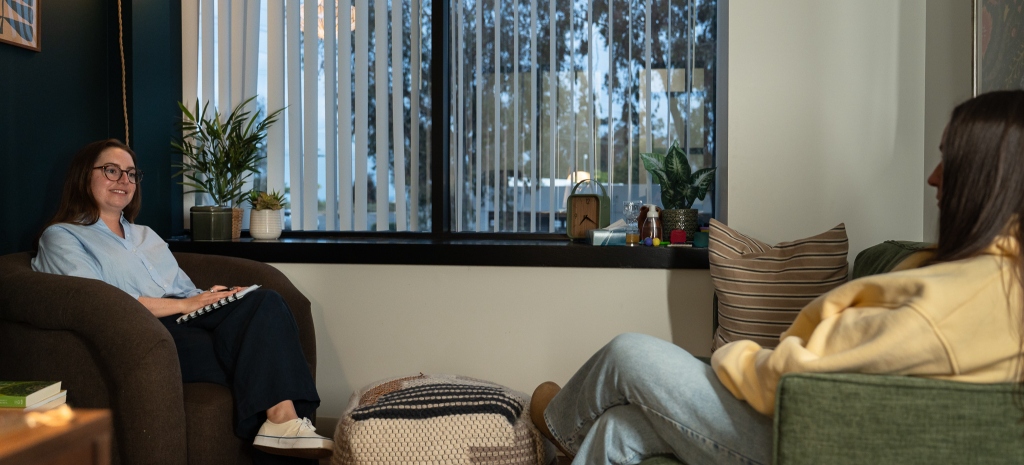
Monima Wellness supports women and female-identifying individuals with trauma-focused PHP and IOP programs. These programs target the root causes of emotional dysregulation, not just the symptoms.
To ask questions or check your coverage, call 858-500-1542 or verify your insurance.
FAQs
Many people say it feels like a sudden, physical wave of pain—maybe a tight chest, a sinking feeling in the stomach, or a rush of heat—along with intense shame or panic. It usually comes on all at once, which is why it can feel out of proportion to what happened.
Yes, for some people. Research shows that early experiences of caregiver rejection or trauma can play a role in rejection sensitivity later in life [1]. Still, trauma is just one part of the picture, not the only cause.
There is no single standard treatment, but options often may include therapy focused on attachment and emotional regulation. Sometimes, medication like alpha-2 agonists is used. Since research is still limited, treatment is usually tailored to each person instead of using one set plan.
An episode often starts suddenly after a perceived slight, criticism, or rejection, whether real or imagined. It can bring intense shame, anger, or despair, and a strong urge to pull away. Episodes usually last from minutes to hours, but some people feel the effects for days afterward.
No, RSD isn’t currently a recognized diagnosis in the DSM-5. Instead, it’s a descriptive term used by clinicians and the neurodivergent community to describe a specific pattern of emotional reactivity, most often discussed in connection with ADHD.
[1] Rowney-Smith, A., Sutton, B., Quadt, L., & Eccles, J. A. (2026). The lived experience of rejection sensitivity in ADHD: A qualitative exploration. PLOS One, 21(1), e0314669.
[2] Sandland, B. (2025). Neurodivergent experiences of rejection sensitive dysphoria expose the environmental factors too often overlooked. Neurodiversity.
[3] Dodson, W. W., Modestino, E. J., Ceritoğlu, H. T., & Zayed, B. (2024). Rejection sensitivity dysphoria in attention-deficit/hyperactivity disorder: A case series. Acta Scientific Neurology, 7(8), 23–30.