If you’re wondering whether cannabis is causing your anxiety, you’re not alone. Many people have found themselves asking this question. It can be confusing and stressful when something initially used for relief starts to feel like it’s creating more stress. In this article, we’ll explore the connection between marijuana and anxiety and help you understand whether cannabis may be causing anxiety or other mental health issues–and if it is, what you can do to start feeling better.
If you’re experiencing increased anxiety related to cannabis use, you may benefit from a more intensive dual diagnosis rehab program. Monima Wellness provides compassionate, individualized support for women navigating marijuana-related concerns and other types of mental health challenges. Contact us today to learn more about our holistic healing programs.
Does Weed Cause Anxiety?
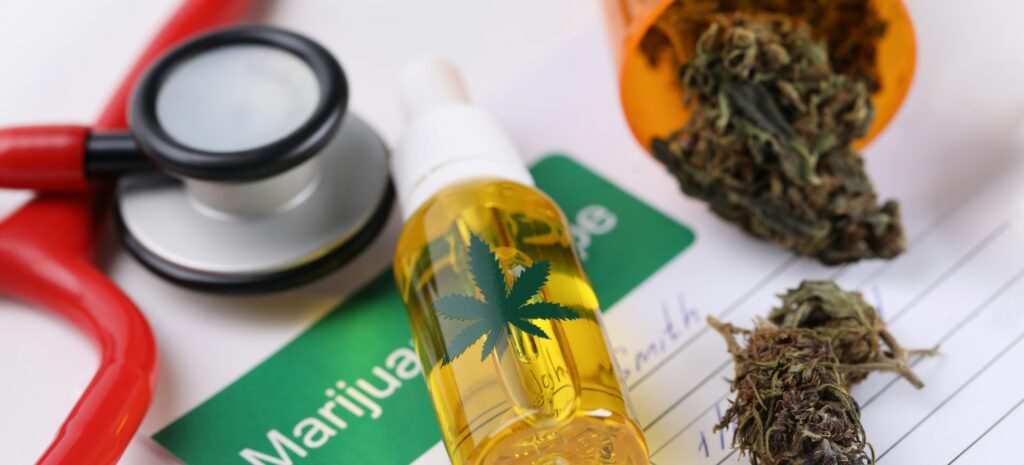
Yes, cannabis can cause or worsen anxiety for some people. The effects vary significantly based on individual brain chemistry, THC content, dosage, and frequency of use.
Some people experience immediate anxiety or panic during use. Others find that regular cannabis use gradually increases their baseline anxiety over time—even when they initially turned to it and found it effective for relief.
Your response to cannabis can also change over time with continued use. What once felt calming can eventually trigger anxiety or make existing anxiety worse.
How Cannabis Triggers Anxiety
Cannabis affects your nervous system in several ways that can lead to anxiety. Understanding these mechanisms helps explain why some people experience distress while using or after stopping cannabis.
1. THC’s Effect on Your Brain
THC (tetrahydrocannabinol) directly affects the amygdala—your brain’s fear and anxiety center. When THC binds to receptors in this region, it can amplify feelings of threat or worry, especially at higher doses.
2. Physical Changes That Feel Frightening
Cannabis increases heart rate, alters sensory perception, and changes how you process thoughts and emotions. These physical sensations can feel overwhelming or scary, especially if you’re already prone to anxiety.
3. Dose Matters Significantly
The amount of THC you take plays a major role in whether you experience anxiety:
- Lower doses: May produce relaxation in some people
- Higher doses: Significantly increase anxiety risk
- Modern products: Often contain significantly higher THC levels than in past decades
4. Changes With Regular Use
Your brain adapts to regular THC exposure. Over time, your natural anxiety regulation systems may become less effective, requiring more cannabis to feel normal, or experiencing heightened anxiety when not using.
Why Some People Feel Calm While Others Feel Anxious
The same cannabis product can produce completely different reactions in different people. Several factors determine whether you’ll experience relaxation or anxiety.
Brain Chemistry Differences
Genetic variations affect how your endocannabinoid system processes THC. These differences explain why two people can have completely opposite reactions to the same cannabis product.
Pre-Existing Anxiety Increases Risk
If you have an anxiety disorder or a family history of anxiety, you may be more vulnerable to cannabis-induced anxiety. Your stress response system’s baseline sensitivity influences whether THC feels calming or threatening.
THC-to-CBD Ratio Matters
CBD (cannabidiol) has potential anxiety-reducing properties and may balance some of THC’s effects:
- THC-dominant products: Higher anxiety risk
- Balanced THC/CBD products: May pose lower risk
- Individual responses: Still vary considerably
Tolerance vs. First-Time Use
Regular users may have adapted to cannabis effects, while occasional or first-time users often experience more intense reactions, including anxiety.
Can Cannabis Make Anxiety Worse Over Time?
Yes, cannabis can create a cycle where initial relief from anxiety leads to worsening symptoms over time. This pattern is more common than many people know, and understanding it can help you recognize if it’s happening to you or someone you love.
The Avoidance Cycle
Regular cannabis use to manage anxiety can prevent you from developing natural coping skills. Instead of building resilience, you may rely on cannabis to avoid uncomfortable emotions or situations. This pattern can lead to increased anxiety over time.
Increased Baseline Anxiety
Between uses, it’s common for anxiety to increase. Your brain’s stress regulation systems become less effective without cannabis, creating a cycle where you feel you need it to function normally.
The Self-Medication Trap
While initially used for relief, cannabis can become part of the problem. Recognizing this pattern—without self-judgment—is an important step toward finding more sustainable treatment options and stabilizing your mental health.
What in Weed Causes Anxiety?
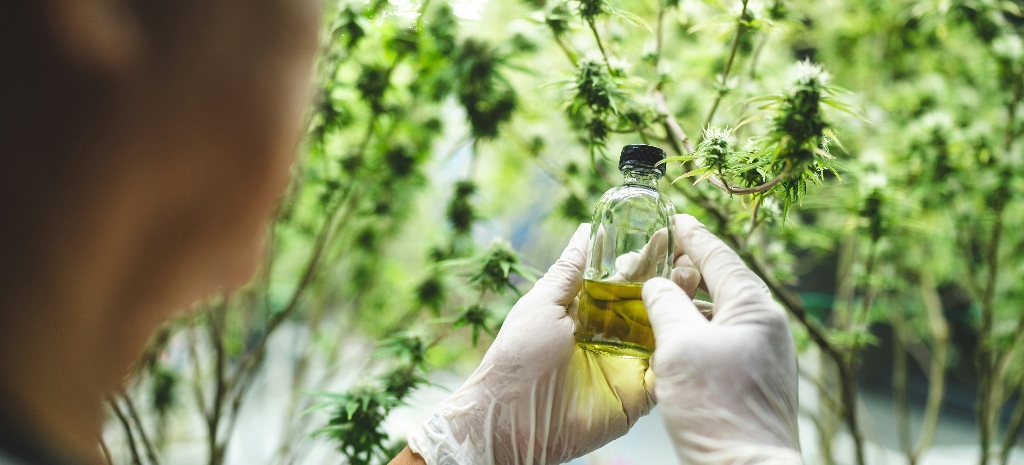
Different compounds in cannabis have different effects on anxiety. Knowing what you’re consuming can help you understand your reactions and symptoms.
THC Is the Primary Driver
THC is responsible for most cannabis-related anxiety. Higher concentrations directly increase your risk of having an anxious reaction.
Today’s cannabis also contains much higher THC levels than in the past:
- Cannabis in the 1990s: ~3–5% THC
- Typical cannabis flower today: ~10–15% THC
- High-potency flower available today: 15–30% THC
- Concentrates used today (e.g., oils, wax, shatter): 60–90% THC
CBD May Help Balance Effects
CBD works differently from THC and, for some, may reduce anxiety. Products with balanced ratios pose lower anxiety risks than THC-dominant products. That being said, individual reactions vary, and CBD does not always guarantee lowered anxiety.
Edibles Pose Special Risks
When eaten, THC is metabolized differently, often producing more intense, longer-lasting effects. The delayed onset (1-2 hours) can lead to overconsumption and overwhelming anxiety when effects finally emerge.
How Long Does Weed-Related Anxiety Last?
How long cannabis-related anxiety lasts depends on how you consume it and your usage patterns.
During acute use
When smoking or vaping:
- Peaks: 30 minutes to 2 hours
- Duration: 2–4 hours
When using edibles:
- Onset: 30 minutes to 2 hours
- Duration: 4–8 hours or longer
After stopping regular use
For people who use cannabis regularly, stopping can trigger withdrawal-related anxiety:
- Week 1: Symptoms typically peak
- Weeks 2–4: Noticeable improvement for many people
- Several months: Some individuals may experience lingering anxiety as the nervous system continues to rebalance
Factors affecting duration
Individual timelines vary based on:
- Frequency and amount of use
- Personal metabolism
- Mental health history
- Dosage and product type
If anxiety lasts longer than expected, significantly interferes with daily life, or you’re questioning your relationship with cannabis, you don’t have to navigate this alone. Reach out to Monima Wellness to speak with one of our compassionate admissions specialists and learn more about our treatment options. Your information is always kept confidential.
Common Adverse Reactions to Cannabis
Cannabis can produce a range of uncomfortable side effects beyond anxiety. These symptoms can be distressing, but they’re not uncommon and don’t reflect personal weakness.
Psychological Symptoms
For some individuals, cannabis can trigger intense mental distress:
- Panic attacks
- Racing or intrusive thoughts
- Paranoia
- Depersonalization (feeling detached from yourself)
- Derealization (feeling like the world isn’t real)
- Feeling disconnected from reality or your body
- Difficulty concentrating
- Memory problems
- Psychotic symptoms (seeing or hearing things that aren’t there, or having beliefs that don’t align with reality)
Physical Symptoms
Physical reactions often accompany psychological distress:
- Rapid or irregular heartbeat
- Dizziness or lightheadedness
- Nausea
- Trembling or shaking
- Time distortion
- Heightened sensory sensitivity
Emotional Changes
Mood and emotional regulation can also be affected:
- Mood swings
- Increased irritability
- Emotional numbness
- Feeling overwhelmed
- Increased social anxiety
These reactions reflect how your nervous system responds to the substance, not any personal failing.
Can Cannabis Interfere With Anxiety Medications?
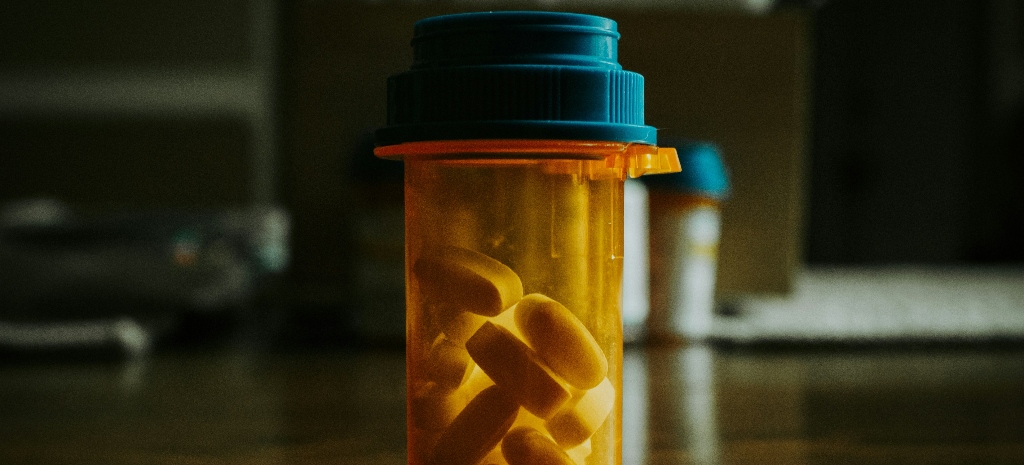
Yes, cannabis can interact with anxiety medications, though research on specific interactions is evolving. These potential interactions deserve medical attention.
Metabolism Concerns
THC and CBD are processed by the same liver enzymes that metabolize many psychiatric medications, including SSRIs. This can potentially alter medication levels in your bloodstream.
Symptom Masking
Cannabis may mask symptoms that healthcare providers use to assess medication effectiveness. This complicates treatment planning and dose adjustments.
Importance of Disclosure
Many people use cannabis while taking prescribed medications without informing their providers. Open communication—in safe, non-judgmental settings—supports better coordinated care.
If you’re experiencing confusion about whether your symptoms are related to anxiety, medications, cannabis use, or a combination of factors, treatment can offer you the time and space to get the answers and stability you need.
At Monima Wellness, our on-site psychiatric team works alongside you throughout treatment to stabilize medications and determine what actually works for your unique situation. Our outpatient programs provide a space where you can talk openly about all aspects of your health—including your relationship with substances like cannabis—without judgment.
Contact us to learn more and take the first step toward healing.
What to Do If Cannabis Is Increasing Your Anxiety
If you’re noticing increased anxiety that may be related to cannabis use, several approaches can help you understand what’s happening and find support.
Track Your Patterns
Notice when anxiety occurs in relation to cannabis use:
- During use?
- Between uses?
- After stopping?
- With specific products or doses?
Consider Reducing or Pausing Use
Taking a break helps clarify whether cannabis contributes to your anxiety. This doesn’t require a permanent decision—gathering information about how you feel without cannabis is valuable.
Avoid Self-Diagnosis
Anxiety often has multiple contributing factors. What seems clearly cannabis-related may involve other elements, or vice versa.
Reach Out for Support
Professionals who understand both mental health and substance use can provide guidance without judgment. Trauma-focused care recognizes that substances are often coping strategies, and finding alternatives takes time and compassion.
If you’re questioning your relationship with cannabis or noticing it’s affecting your anxiety, you’re not alone. Monima Wellness offers a safe space for women to explore healing in a safe space without pressure or judgment.
Contact us to learn more about our approach to holistic dual diagnosis treatment for women in San Diego.
Support Options When Anxiety and Cannabis Use Overlap
Adequate support should address both anxiety and cannabis use together, acknowledging how they influence each other. Several types of treatment can help you find relief and build sustainable wellbeing.
Trauma-Focused Mental Health Care
This approach understands that anxiety and substance use often develop as responses to overwhelming experiences. Care focuses on safety, choice, and rebuilding control rather than judgment.
Dual Diagnosis Treatment
Integrated care addresses mental health and substance use together, recognizing how they influence each other. Treating one without considering the other often leads to incomplete healing.
Nervous System Regulation Skills
Building capacity to manage anxiety without substances includes:
- Somatic practices
- Breathwork
- Mindfulness
- Body-based approaches and holistic healing arts
- Stress response system support
Individualized Assessment
Neuropsychological testing can identify underlying factors contributing to both anxiety and substance use patterns. Finding a treatment center like Monima Wellness that offers full-battery neuropsych testing can ensure your healing addresses root causes, not just symptoms.
Ready to Begin Healing?
If cannabis is affecting your anxiety or you’re ready to explore healthier ways to find relief, Monima Wellness is here. Contact us today to learn how our trauma-focused outpatient treatment programs can help you understand yourself better and build lasting wellness.
Frequently Asked Questions (FAQs)
Does weed cause anxiety?
Yes, cannabis can cause or worsen anxiety for some people. THC affects brain regions involved in stress and threat perception. Individual responses to THC vary based on factors such as brain chemistry, dosage, frequency of use, and mental health history. Some people experience immediate anxiety while using cannabis, while others may notice increased baseline anxiety developing over time with regular use.
How long does it take for weed anxiety to go away?
Anxiety following cannabis use typically lasts 2-3 hours when smoking and 4-8 hours with edibles. For regular users who are trying to quit, withdrawal-related anxiety typically peaks in the first week and improves over 2-4 weeks. Complete nervous system regulation during cannabis withdrawal may take several months. Individual symptoms vary based on usage and personal factors.
What is in weed that causes anxiety?
THC (tetrahydrocannabinol) is the primary compound known to cause anxiety. Higher THC concentrations, which are common in modern cannabis products at 15-30%, can increase anxiety risk. CBD (cannabidiol) has shown potential anxiety-reducing properties in some studies; however, the research findings on this are mixed. CBD may help moderate THC’s anxiety-inducing effects when taken in balanced ratios. That said, individual responses vary widely, and the evidence for CBD’s positive effects on anxiety is limited and not always consistent.
Why does marijuana help some people’s anxiety but worsen it in others?
Your brain’s unique chemistry determines how you respond to cannabis—similar to how some people feel energized by caffeine while others get anxious.
Several factors can influence whether cannabis will calm or worsen your anxiety:
- Your individual biology: Genetics affect how your brain processes THC
- What you’re using: THC-only products tend to increase anxiety risk; balanced THC-CBD products may feel gentler
- How much you take: Low doses may relax, high doses may trigger anxiety
- Your anxiety history: Pre-existing anxiety can make you more vulnerable to negative reactions from cannabis.
- How often you use it: Regular users will develop tolerance; occasional users are likely to experience stronger effects.
It’s important to note that the same product can feel entirely different for two different people, or even to the same person at different times.
Can regular weed use increase anxiety over time?
Yes, regular cannabis use can increase baseline anxiety over time, even when initially used for relief. This can occur through tolerance development, changes to natural anxiety regulation systems, avoidance coping patterns, and withdrawal symptoms between uses. Initially used for self-medication, it’s possible and not uncommon for cannabis to eventually contribute to worsening the anxiety it was meant to address.
References
Beletsky A, Liu C, Lochte B, Samuel N, Grant I. Cannabis and Anxiety: A Critical Review. Med Cannabis Cannabinoids. 2024 Feb 23;7(1):19-30. doi: 10.1159/000534855. PMID: 38406383; PMCID: PMC10890807.
Bhattacharyya, S., et al. (2017). Acute induction of anxiety in humans by delta-9-tetrahydrocannabinol related to amygdalar cannabinoid-1 (CB1) receptors. *Scientific Reports*, 7, 15025. https://www.nature.com/articles/s41598-017-14203-4
Rey, A. A., et al. (2012). Biphasic Effects of Cannabinoids in Anxiety Responses: CB1 and GABA_B Receptors in the Balance of GABAergic and Glutamatergic Neurotransmission. *Neuropsychopharmacology*, 37(12), 2624–2634. https://www.ncbi.nlm.nih.gov/pmc/articles/PMC3473327/
Budney, A. J., et al. (2004). Comparison of cannabis and tobacco withdrawal: Severity and contribution to relapse. Journal of Substance Abuse Treatment, 26(1), 3–13. https://pubmed.ncbi.nlm.nih.gov/14698731/
ElSohly, M. A., et al. (2016). Changes in Cannabis Potency Over the Last 2 Decades (1995-2014): Analysis of Current Data in the United States. *Biological Psychiatry*, 79(7), 613-619. https://www.ncbi.nlm.nih.gov/pmc/articles/PMC4987131/
Substance Abuse and Mental Health Services Administration (SAMHSA). (2023). Cannabis and Mental Health. https://www.samhsa.gov/marijuana
Szkudlarek, H. J., et al. (2019). Δ-9-Tetrahydrocannabinol and Cannabidiol produce dissociable effects on prefrontal cortical executive function and regulation of affective behaviors. *Neuropsychopharmacology*, 44(4), 817-825.